What shapes the way we work, lead, and take care of ourselves at work often begins long before we realize it. Our careers are influenced by our values, our boundaries, our sense of integrity, and the environments we choose to step into. Over the years, I have seen one pattern repeat itself across industries, functions, seniority levels, and countries. Toxicity rarely arrives loudly. It creeps in quietly. It often disguises itself as ambition, speed, passion, or pressure. And most people do not notice it until they are already overwhelmed or doubting themselves.
This article brings together a series of experiences and insights I have shared on LinkedIn. They come from my coaching work, my corporate life, and the stories entrusted to me by professionals who were trying their best to grow while navigating difficult environments.
If any of these stories feel familiar, know this: you are not alone, and it is not your fault.
When Fast Paced Becomes Fear Paced

Is your fast paced workplace actually driven by fear and micromanagement?
Sometimes it starts with a simple request. A manager wants to be cc’d on every email. Soon they want to approve the exact wording. Then the calls start whenever you send something they did not like. The pressure is reframed as diligence or protecting the team. In reality, it is about control.
In biotechs, medtech, and launch driven teams, the phrase fast paced environment is often used as a shiny badge of honor. But speed is not the issue. Fear is.
You know something is wrong when you are more afraid of your manager’s reaction than of missing a deadline. Good leaders create pace through trust, not panic.
Early signs:
· You avoid small mistakes because the consequences feel big.
· You spend more energy managing your manager than doing your job.
· Fast paced becomes an excuse for chaos instead of clarity.
The Silent Team: When Ideas Die Before They Are Born

A silent meeting room is often a sign of a toxic work culture.
Silence in a meeting does not always mean alignment. Sometimes it means fear.
I once attended a team workshop meant to be creative and open. Instead, every idea shared was dismissed, reshaped, or taken over by the manager. Within hours the room went quiet. People stopped thinking out loud. They edited themselves before speaking.
When feedback becomes defiance, innovation disappears. Motivation follows. Retaliation may not be loud, but it is unmistakable: projects reassigned, access revoked, contributions erased.
Early signs:
· Meetings feel tense, polite, and quiet.
· The manager always has the right answer.
· People stop sharing before they even try.
Psychological safety is not a nice to have. It is the foundation of high performance.
When Boundaries Become a Bad Word

Are long hours and burnout becoming the norm in your workplace?
Toxic cultures rarely demand long hours directly. They reward them. They praise exhaustion as commitment. They mock questions about balance. Over time, what starts as one late email or one extra call becomes the new normal.
I once coached a client whose manager openly mocked a candidate for asking about work life balance. That one sentence revealed everything about the culture.
Leaders who cannot respect their own limits will not respect yours.
Early signs:
· Long hours are celebrated.
· Saying no feels unsafe.
· Being always available becomes an expectation.
A healthy workplace supports balance and humanity. Productivity is not measured in burnout.
The Invisible Team
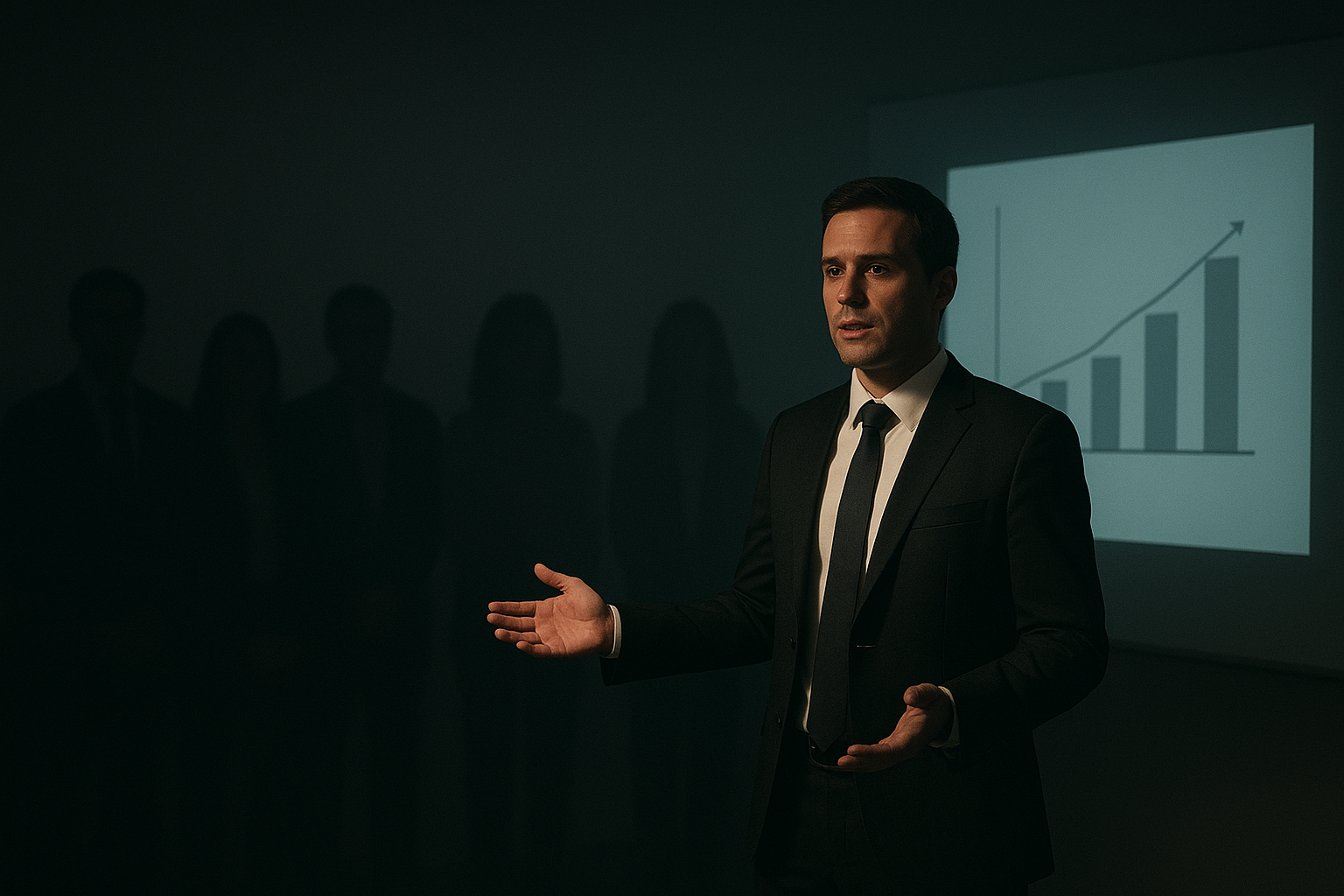
Are your contributions being erased by a credit taking manager?
Sometimes your work is not invisible. It is intentionally hidden.
I once had a manager who would not let the team present their own achievements. He presented everything himself. At first it was small things, then larger milestones, then entire programs. Over time, it became absurd, as if he alone ran every project that existed.
Credit traveled upward. Blame traveled downward. Recognition became competition.
True leaders shine a light on their teams. They never stand in front of it.
Early signs:
· Your contributions are never mentioned publicly.
· Praise flows upward. Blame flows downward.
· Visibility becomes political.
When HR Says That Is Just How It Is

Is your company normalizing disrespect under the excuse of urgency?
One of the strongest signals of a toxic workplace is when people try to speak up and nothing happens.
A client once came to HR because their manager yelled at them regularly. HR's answer was to justify it. That is just how it is in a fast paced company. People are under pressure.
That one sentence revealed the organization's real values more clearly than any mission statement ever could.
Pressure does not excuse disrespect. It reveals culture.
Early signs:
· Complaints are minimized or dismissed.
· Bullying is reframed as passion or urgency.
· Results matter more than respect.
If your integrity is questioned for speaking up, the system is the problem, not you.
Recognizing Toxic Culture Before You Even Start

Are early red flags showing up in your job interview?
Sometimes toxicity reveals itself before your first day. A hostile reaction to a reasonable question. A vague answer about team culture. Overemphasis on sacrifice or commitment. These small moments matter.
I once asked about educational support when offered a below market contract. HR’s reaction was anger. The hiring manager would be furious if he heard you asked that. That was all I needed to know.
Interviews tell you more than you think. Not from what is said, but how it is said.
Warning signs during hiring:
· Defensive or irritated reactions to questions about growth, boundaries, or support.
· Vague descriptions of the team's dynamics.
· An obsession with commitment, not collaboration.
The right company will welcome your questions. The wrong one will fear them.
The Slow Creep of Toxicity

Is your integrity being slowly eroded at work?
Toxic cultures rarely appear suddenly. They grow through small compromises. You justify what feels off. You explain away behaviors that do not align with your values. The environment slowly starts to reshape you.
But your integrity is your compass. When something feels wrong, it usually is.
Early signs:
· You rationalize disrespect or chaos.
· Team motivation slowly declines.
· Psychological safety erodes in small ways.
The sooner you listen to these signals, the more power you keep.
Final Reflection
Toxicity does not always show up as a crisis. More often it shows up as a pattern. A slow erosion of safety, boundaries, recognition, and trust. And because it happens gradually, many people only realize what happened when they are already exhausted, self doubting, or questioning their worth.
If you are in an environment like this, remember: your professionalism is not the problem. Your expectations are not too high. Your boundaries are not a weakness. Your standards for respect are valid.
The most important question you can keep asking yourself is simple:
Does this place allow me to be the professional and the person I want to be?
If the answer is no, you deserve better. And you can choose better.